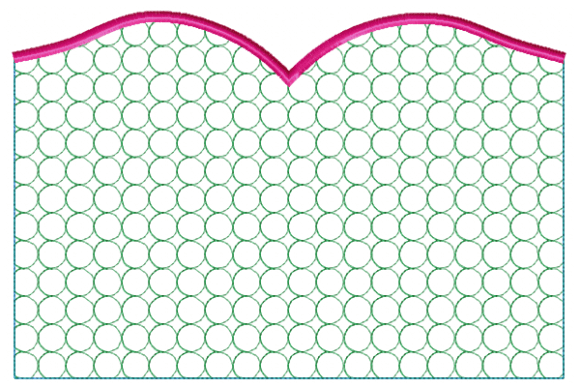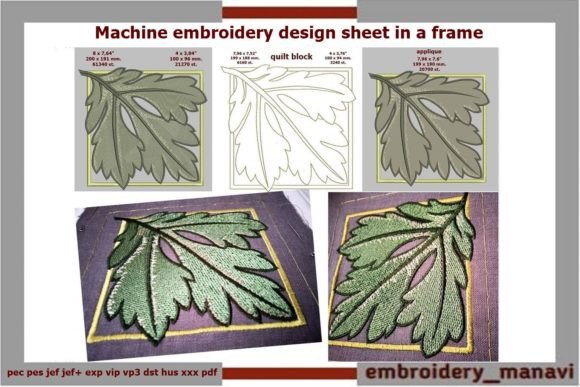
Sheet in Frame and Quilt Block Applique
A Craft Fair Designer’s First Look: Bold, Timeless, and Booth-Ready
As an embroidery designer who’s prepped over 200 craft fair booths—from snowy Vermont markets to sun-drenched Southern pop-ups—I opened Sheet in Frame and Quilt Block Applique with one question: Will this stop someone mid-aisle? The answer? Yes—especially when stitched cleanly on natural linen or oatmeal cotton. This isn’t a loud, trendy motif. It’s quietly confident: part farmhouse charm, part modern quilt-block minimalism, with a leaf motif that reads as fresh, not fussy. The “frame” element gives instant structure; the “quilt block” nod signals handmade authenticity. For Etsy sellers and small shop owners, that duality is gold—it appeals to both vintage-loving collectors and contemporary home stylists.
Where It Shines: Real Products, Real Customers
In my booth lineup, Sheet in Frame and Quilt Block Applique performs strongest where clarity, craftsmanship, and quiet elegance matter most:
- Tote bag design: Centered on a heavyweight canvas tote, it reads beautifully at 4.5–5 inches wide—large enough to anchor the bag but not overwhelm. Customers consistently pause here first.
- Apron embroidery: Placed just above the pocket on a denim or chambray apron, it adds heirloom weight without looking stiff. Pair it with neutral thread colors (olive, charcoal, oat) for maximum versatility.
- Tea towel embroidery: On flour-sack or waffle-weave towels, the frame holds its shape even after repeated washing—unlike delicate scrollwork that blurs over time.
- Embroidered patch: As a sew-on or iron-on patch, it scales down cleanly to 2.75 inches. Ideal for bundling with kits or gifting as a “starter quilt block” for beginners.
- Pillow cover & market bag accents: Works equally well as a single focal point or repeated in a subtle grid pattern—making it a flexible design asset for batch production.
It’s less effective on curved cap surfaces or tightly woven performance fabrics where stitch definition suffers. And while it photographs well for Etsy listings, avoid using it as a tiny accent on keychains or zipper pulls—details like leaf veins may vanish below 2 inches.
Production Reality Check: What You Need to Know Before Hooping
This is a thoughtful machine embroidery design, not a rushed clipart import—but it demands attention to detail. Here’s what I tested and observed:
- Stitch density: Moderate, but the inner leaf has tighter fill areas. On textured towels or thick twill, use medium-weight cutaway stabilizer—not tear-away—to prevent puckering.
- Fabric texture matters: On slubby linen or looped terry, reduce top thread tension slightly and test stitch a corner first. The frame outline stays crisp; the leaf interior benefits from smooth fabric backing.
- Hoop size & placement: Confirm your hoop size before digitizing adjustments. A 5×7 hoop fits comfortably, but if you’re using smaller hoops (4×4), verify spacing—some versions of this digital embroidery file include optional simplified leaf variants.
- Thread colors: Avoid high-contrast combos (e.g., black leaf on white frame) unless intentional. Soft tonal pairings—sage on cream, slate on oat—elevate perceived handmade quality.
Selling Smarter: Booth Impact, Brand Consistency, and Buyer Trust
At a crowded craft fair, Sheet in Frame and Quilt Block Applique builds instant credibility. It doesn’t scream “sale”—it whispers “made with care.” That subtlety translates directly to higher perceived value: customers associate the clean frame + organic leaf combo with intentionality, not mass production. When displayed alongside matching tea towels, pouches, and pillow covers, it strengthens brand consistency across your small shop product line. Bonus: it photographs exceptionally well for printable mockups, helping Etsy sellers convert browsers into buyers with cohesive, calming visuals.
I always place one finished product—a framed linen sampler or a folded tea towel draped over a wooden tray—as a centerpiece sample. That tactile, real-life context makes the embroidery file feel tangible—not just another download. Buyers touch it. They ask about thread sourcing. They imagine it in their own kitchen. That’s engagement you can’t fake.
Designer Notes You Can’t Skip
Before cutting your first production run, do these six things:
- Test the machine embroidery design on scrap fabric matching your final product—same weave, same weight, same dye lot.
- Check thread contrast under natural light *and* booth lighting. Some greens look muddy under warm LED strings.
- Review spacing between frame lines and leaf edges—tight gaps can merge on dense fabric.
- Confirm hoop size compatibility and whether the design includes jump-stitch trimming instructions.
- Inspect stitch density in the leaf center—adjust stabilizer type if needed (cutaway > tear-away > no-show for delicate linens).
- Create at least one real mockup—not just a digital preview—and compare how it looks on light vs. dark fabric. Then, double-check commercial licensing terms before selling finished products.
Remember: Sheet in Frame and Quilt Block Applique belongs to the Shapes category, but its strength lies in storytelling—not geometry. It’s not just a shape. It’s a quiet invitation to slow down, to appreciate craft, to choose handmade. That’s why, year after year, it sells—not because it’s flashy, but because it feels true.