Monogram Damascus Richelieu
A Seasonal Designer’s First Impression
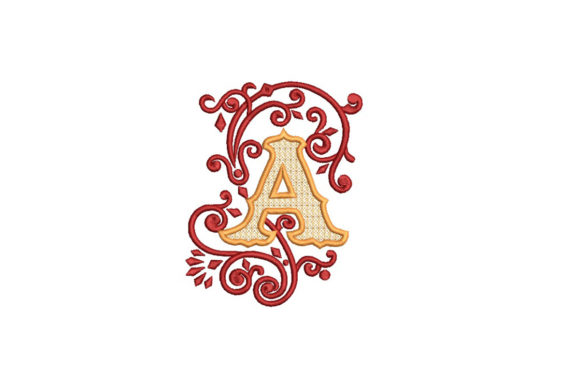
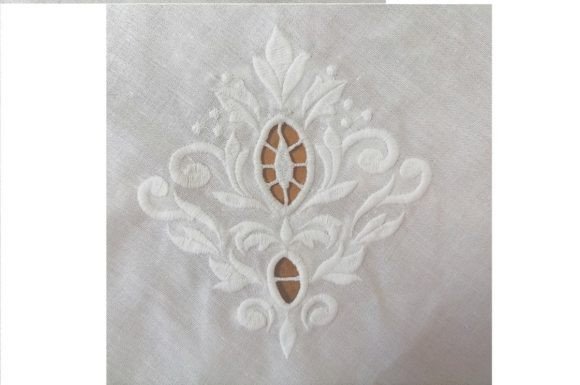
When I opened Monogram Damascus Richelieu for the first time, I felt that quiet thrill of discovering a design with layered intention—not just decorative, but emotionally resonant. It carries an elegant, timeless weight: think heirloom linen napkins passed down at Christmas, monogrammed aprons worn during Thanksgiving prep, or delicate pillow covers resting on a winter-scented sofa. The style leans into refined rusticity—organic curves meet precise cutwork, evoking both craftsmanship and quiet celebration. It doesn’t shout “holiday!” but whispers “meaningful moment.” That subtlety is gold for seasonal sellers who want sophistication over saturation.
Where Monogram Damascus Richelieu Shines in Holiday Product Lines
This machine embroidery design thrives where personalization meets tradition. For Etsy sellers and small shop owners building limited-edition collections, Monogram Damascus Richelieu adds instant premium appeal to:
- Sweatshirt embroidery—centered on relaxed-fit crewnecks for family matching sets (think “The Andersons • 2024” in soft charcoal or oatmeal)
- Kitchen towel embroidery—placed just below the hanging loop, lending artisanal charm to holiday hostess gifts
- Pillow cover accents—especially on natural linen or cotton canvas, where the openwork breathes with texture
- Embroidered patch applications—sewn onto denim jackets, tote bags, or baby blankets as keepsake-ready details
- Table linens and aprons—where its balanced scale reads beautifully at conversational distance, not just up close
In real-world holiday selling, this design performs strongly in gift bundles (“Holiday Host Set: Towel + Apron + Recipe Card”) and social media previews—its clean one-color execution renders crisply in printable mockups and Instagram carousels. Buyers instantly recognize quality; the monogram structure builds trust, while the Damascus-inspired scrollwork adds visual distinction among crowded seasonal listings.
Real-World Considerations for Holiday Production
As an experienced embroidery designer, I always ask: *What breaks under pressure?* With Monogram Damascus Richelieu, the beauty lies in its intricacy—but that demands thoughtful execution. This is part of the Intricate Cuts category for good reason. Here’s what to watch:
- Hoop size matters: Don’t force it into tiny hoops (<4" diameter). Its flow needs breathing room—aim for 5x7" minimum for full clarity
- Fabric texture is non-negotiable: As noted, it’s preferable to embroider on natural fabric—linen, cotton, or loosely woven weaves. Avoid tight-knit synthetics or heavy terry cloth; the cutwork won’t hold cleanly
- Dark fabric? Test thread colors: Since it’s embroidered in one color, contrast becomes critical. A matte ecru thread on navy linen reads warmly; silver metallic may overwhelm. Always stitch test swatches before bulk production
- Stabilizer strategy: Use medium-weight cutaway + tear-away combo for kitchen towels and pillow covers. Skip fusible webbing—it can mute the delicate relief of the Richelieu effect
- Wash durability: While elegant, fine cutwork weakens with aggressive laundering. Recommend hand-wash or gentle cycle for finished products—clearly note this in product descriptions for handmade gift buyers
Why This Design Elevates Seasonal Appeal—and Buyer Trust
Holiday shoppers don’t just buy items—they buy feelings: nostalgia, belonging, care, intention. Monogram Damascus Richelieu delivers that subtext without cliché. Its romantic yet grounded tone fits seamlessly across celebrations—Christmas, Easter, weddings, baby showers, even New Year’s gifting—making it versatile for year-round seasonal drops. Unlike trend-driven motifs that fade by February, this design supports long-term brand consistency. When your Etsy shop uses it across sweatshirts, totes, and ornaments, customers begin to associate your aesthetic with quiet luxury and attention to detail.
That perception directly impacts perceived value. A $38 linen pillow cover with Monogram Damascus Richelieu feels more curated—and justifiably priced—than a generic script monogram. It also boosts engagement: shoppers linger longer on listings with realistic mockups showing how the design interacts with fabric drape and light. And because it’s inherently personalized (monogram-focused), it encourages repeat visits—“What letter will I choose for Grandma’s towel?”
Practical Designer Notes Before You Launch
Before adding Monogram Damascus Richelieu to your holiday collection, run these checks:
- Confirm the embroidery file includes all required formats for your machine—and verify whether it’s optimized for commercial embroidery licensing (essential if selling finished products)
- Measure actual stitch density: High-density areas near scrolls or inner loops may require slower speeds or adjusted tension on older machines
- Create at least three printable mockups—light fabric, dark fabric, and textured surface—to preview how the design lands in real use
- Plan your thread colors around seasonal palettes: deep forest green, warm terracotta, soft slate, or cream—not just black and white
- Review every small detail post-stitch: Are cutwork edges crisp? Does the monogram letter sit centered and legible? Zoom in on photos before listing
Remember: Monogram Damascus Richelieu isn’t just another digital embroidery file. It’s a storytelling tool. Used thoughtfully—with respect for fabric, stabilizer, and customer expectations—it transforms everyday items into cherished, gift-ready pieces. For holiday product creators, that’s not just seasonal embroidery. It’s emotional infrastructure.