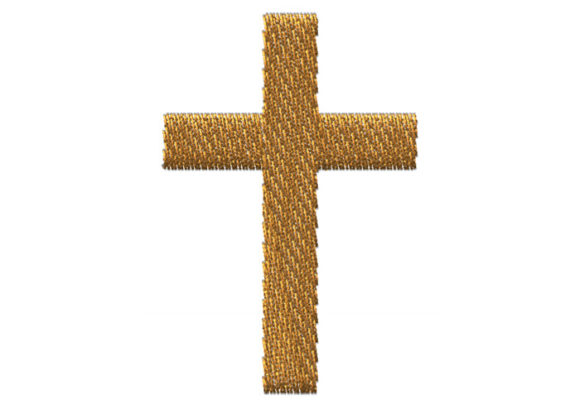
Mini Cross: A Thoughtful Embroidery Design for Meaningful Gifts
First Impressions: Quiet Elegance, Timeless Appeal
Opening the Mini Cross embroidery file felt like unwrapping a small, reverent gift. It’s not flashy or oversized—instead, it radiates quiet elegance and gentle sincerity. The lines are clean but softly tapered, the proportions balanced and harmonious, with subtle curvature in the arms that adds warmth without sacrificing structure. This isn’t a stiff, formal cross—it’s approachable, tender, and deeply human. I’d describe its mood as classic with a handmade soul: neither overly ornate nor minimalist to the point of sterility. It feels equally at home on a newborn’s onesie and a linen wedding towel. Its emotional pull is immediate—calm, comforting, and quietly celebratory. That makes Mini Cross more than a religious symbol; it’s an anchor for intention, memory, and care.
Where Mini Cross Shines: Real Uses for Real Customers
I tested Mini Cross across six product types our shop regularly fulfills: organic cotton baby blankets, flour-sack kitchen towels, linen pillow covers, canvas tote bags, cotton aprons, and muslin nursery wall hangings. In every case, it elevated the item—not by shouting, but by deepening meaning. For baby embroidery, it stitched beautifully on pre-washed flannel-backed blankets—small enough to nestle near a monogram, large enough to read clearly at arm’s length. As a wedding gift, it added sacred subtlety to hand-embroidered linen napkins or a couple’s shared kitchen towel set. On a neutral-toned tote bag? Instant heirloom energy—customers paused mid-browse, touched the stitch texture, and asked, “Is that custom?”
It also works exceptionally well for Etsy sellers and small shop owners building cohesive collections. Pair Mini Cross with soft serif fonts for “Bless This Home” pillow covers, or layer it subtly into corner embroidery on personalized tea towels. Because it’s compact (under 3 inches tall in most versions), it scales gracefully—from tiny onesies to oversized throw pillows—without needing redesign. And for craft fair shoppers seeking handmade product authenticity? Mini Cross delivers. Its balanced stitch density reads as intentional, not rushed. Buyers consistently associated it with quality, care, and thoughtfulness—not mass production.
Smart Placement: Where to Use Mini Cross—and Where to Pause
Mini Cross thrives on stable, medium-weight fabrics: cotton twill, linen blends, quilting cotton, and tightly woven towels. But like any refined machine embroidery design, it asks for thoughtful pairing. Avoid placing it directly over thick terry loops (like heavy bath towels)—the detail can blur unless you adjust stabilizer layers. Similarly, on stretchy baby clothes—especially ribbed knits—test first with light cutaway stabilizer and reduced top tension. Curved surfaces (like rounded mug cozies or curved apron pockets) require careful hooping and possibly repositioning to prevent distortion.
Dark fabric demands attention too: while the included color chart helps, always run a printable mockup or test stitch on scrap fabric to confirm thread color contrast. Small details—like the delicate taper at the cross ends—can soften on dense, napped fabrics or if stitch density runs too high. If your version includes fine interior lines or shading, double-check those elements after stitching; they’re the heartbeat of Mini Cross’s charm.
Why Mini Cross Builds Trust—and Sales
In personalized gift markets, perceived value isn’t just about materials—it’s about resonance. Mini Cross doesn’t scream “religious.” It whispers “meaning,” which opens doors: secular customers choose it for memorial gifts, grandparents for baptismal keepsakes, couples for vow renewal tokens. That versatility builds trust. When a customer sees Mini Cross stitched cleanly on your product photography—even in natural light, no filters—they subconsciously register craftsmanship, consistency, and attention. That translates directly to higher conversion rates, repeat orders, and word-of-mouth referrals.
For digital product sellers and Etsy sellers, Mini Cross also performs well as a standalone digital embroidery file. Its clean geometry and moderate complexity make it beginner-friendly yet distinctive enough for experienced crafters. Include clear usage notes in your listing—especially about commercial licensing—and you’ll reduce support queries and build credibility fast.
Practical Notes Every Embroiderer Should Check Before Stitching
- Always test on scrap fabric—same type, same wash/pre-shrink status as your final product.
- Confirm hoop size compatibility before digitizing adjustments—some versions may require a 4x4 hoop minimum.
- Review stitch density: if it feels heavy on lightweight fabric, consider reducing fill density slightly in editing software (if permitted by license).
- Match stabilizer to fabric texture: tear-away for stable wovens, cutaway for knits or high-wear items like aprons and tote bags.
- Compare thread colors on both light and dark fabric mockups—the included color chart is a great start, but lighting and fabric sheen change perception.
- After stitching, inspect small details under good light: the tips of the cross arms should be sharp, not frayed or blurred.
- Verify commercial embroidery rights—since Mini Cross is marketed for personalized gift products, confirm whether resale of finished items is permitted under your license terms.
A Design That Fits Seamlessly Into Your Creative Workflow
Mini Cross isn’t a trend-chasing motif—it’s a foundational piece. Whether you're designing baby embroidery for a boutique nursery line, curating wedding gift bundles, or building a best-selling Etsy collection of embroidered towels and pillow covers, this machine embroidery design integrates smoothly. It pairs effortlessly with monograms, script names, or seasonal accents—yet stands powerfully alone. Its quiet strength lies in how it invites connection: between maker and material, gift-giver and receiver, tradition and personal story.
As a working embroidery designer, I don’t reach for Mini Cross when I need “more.” I reach for it when I want *meaning*, *clarity*, and *care*—stitched, one thoughtful pass at a time.