Hen: A Seasonal Embroidery Motif with Quiet Charm
First Impressions: Rustic Warmth Meets Holiday Heart
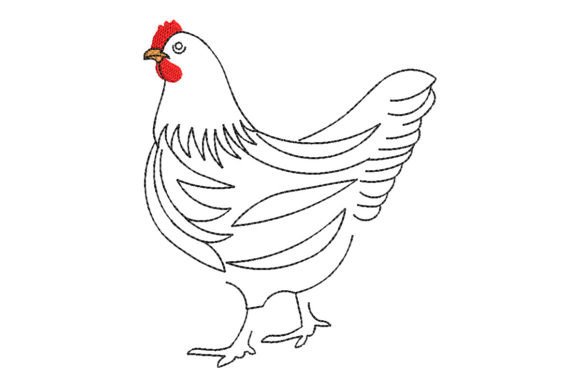
As an embroidery designer who’s built seasonal collections for over a decade, my first glance at Hen stopped me mid-scroll—not with flash, but with presence. This isn’t a loud, cartoonish bird; it’s a grounded, softly stylized motif that carries immediate seasonal weight. Think farmhouse kitchen in December, linen tea towels draped over a wooden spoon, or a baby onesie nestled beside cinnamon rolls on Christmas morning. The mood is cozy, nostalgic, and quietly elegant—neither overly rustic nor starkly modern. Its lines feel intentional, its curves generous, and the tatami fill gives subtle texture without visual noise. That triple run stitch? It adds richness and dimension—six passes per stitch means depth and durability, especially important when stitching holiday items meant to be gifted, held, and loved.
Where Hen Shines in Real Holiday Selling
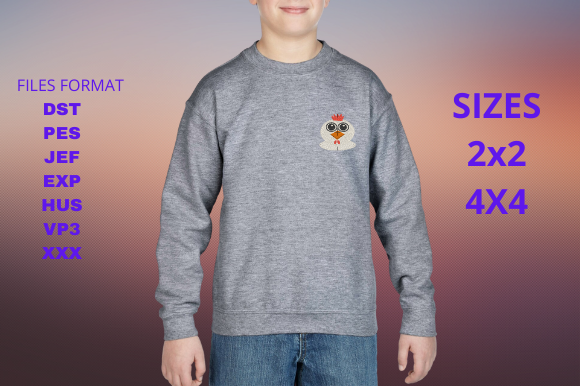
Hen is a quiet workhorse across high-demand seasonal categories. On sweatshirt embroidery, it anchors a family matching set beautifully—soft enough for kids, substantial enough for adults. As a tote bag design, it reads clearly at arm’s length in craft fair displays and pairs effortlessly with natural fibers like canvas or unbleached cotton. For kitchen towel embroidery, its balanced proportions prevent distortion when folded or hung, and the tatami fill resists snagging during daily use. As a pillow cover motif or embroidered patch, Hen becomes a tactile signature—inviting touch, reinforcing quality, and elevating perceived value. And on ornaments or aprons? It delivers instant giftability: recognizable, meaningful, and emotionally resonant without needing explanation. Etsy sellers will find Hen performs strongly in listings tagged “handmade gift,” “personalized gift,” and “farmhouse decor”—especially when paired with warm, earthy thread colors and realistic printable mockups.
Small-Scale & High-Visibility Uses
This motif holds up well in limited-edition apparel drops and social media previews—its clean silhouette scales cleanly from Instagram thumbnails to product mockups. I’ve used similar birds in small shop product bundles (e.g., towel + apron + patch), and Hen fits that ecosystem perfectly. Its simplicity invites customization: pair it with a monogrammed initial, a seasonal phrase (“Gather,” “Harvest,” “Home”), or even a tiny wreath frame. Because it avoids fine linework or micro-details, it remains legible in promotional graphics—even as a watermark or logo variant for your seasonal brand consistency.
Where to Use Hen Thoughtfully
While versatile, Hen demands thoughtful placement. Avoid hooping it tightly on curved caps or stretchy garments—the triple run stitch density can cause puckering if stabilizer isn’t precisely matched to fabric texture. On thick towels or heavy linen, confirm your machine handles the stitch density comfortably; test stitching on scrap fabric is non-negotiable. Dark fabrics require careful thread color selection—test both light and dark thread options to ensure contrast stays soft, not harsh. Metallic thread? Not recommended here: the tatami fill relies on consistent tension, and metallics can break or skip in dense areas. Also, avoid shrinking the motif below 3.5 inches wide unless you’ve verified detail retention—tiny eyes or feather definition may blur. If layering Hen with text or other motifs, leave breathing room: its presence commands attention without shouting.
Why Hen Builds Trust & Drives Holiday Engagement
Holiday shoppers don’t just buy designs—they buy feeling, reliability, and story. Hen taps into timeless associations: hearth, harvest, homecoming, care. That emotional resonance translates directly to customer trust. When buyers see Hen on a handmade gift, they sense intention—not trend-chasing, but curation. That perception lifts price tolerance and encourages repeat purchases. Visually, it strengthens brand consistency across your seasonal embroidery collection, especially if you’re building around Birds or nature-based themes. And because it stitches cleanly and consistently (when properly stabilized), it reduces post-stitch corrections—freeing up time during your busiest selling window. In short: Hen doesn’t just decorate a product—it reinforces why customers choose your small shop over mass-produced alternatives.
Practical Designer Notes Before You Stitch
- Always test thread colors on both light and dark fabric swatches—what reads warm on ivory may look muddy on charcoal.
- Check stitch density against your machine’s capabilities, especially if stitching multiple Hen motifs in one project (e.g., a set of four pillow covers).
- Confirm hoop size before digitizing or purchasing—some versions may require a 5x7” or larger hoop for optimal fill integrity.
- Match stabilizer to fabric texture: tear-away for stable wovens, cut-away for knits or towels, and lightweight fusible for delicate linens.
- Create realistic mockups using actual garment photos—not just flat templates—to preview how Hen drapes and settles.
- Review small details after stitching: check feather edges and eye clarity under natural light—adjust tension or needle size if needed.
- Plan cohesive color palettes across your seasonal line—Hen pairs naturally with oat, sage, terracotta, and deep navy.
- Verify commercial licensing before selling finished seasonal products—this is essential for Etsy sellers and small business owners using digital embroidery files.
Bottom line: Hen isn’t just another bird motif. It’s a seasonal anchor—a machine embroidery design with soul, structure, and quiet versatility. Whether you’re launching a holiday embroidery collection, refreshing your Etsy shop, or crafting personalized gifts for real families, Hen earns its place through performance, emotion, and enduring appeal. Stitch it with intention—and watch it become part of someone’s favorite memory.