Dad Jokes: A Craft Fair Designer’s Honest Review
As an embroidery designer who’s packed, stitched, and sold at over 47 craft fairs—and shipped thousands of handmade products to Etsy buyers—I tested Dad Jokes not as a novelty, but as a viable craft fair product. My goal? To see if it holds up under real-world conditions: booth lighting, crowded tables, quick-glance buyer decisions, and the tactile reality of fabric, thread, and stabilizer. Here’s what stood out—and what needs careful handling.
First Impression: Playful, Not Precious—And That’s Its Strength
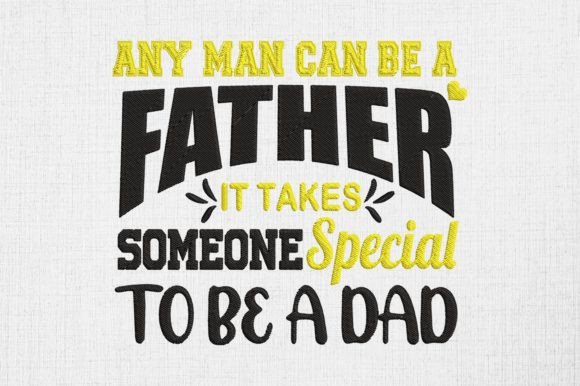
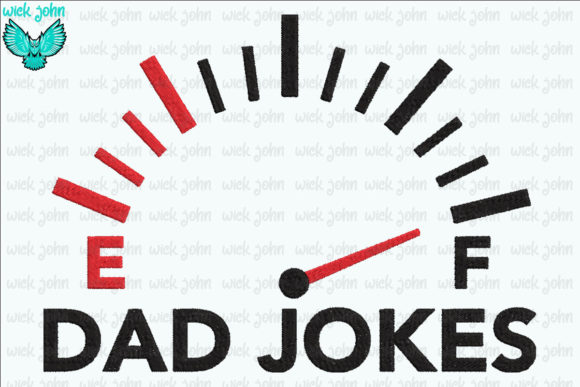
Dad Jokes lands as bold, friendly, and instantly legible—not cute, not rustic, not minimalist—but human. It reads like something your uncle would wear on a BBQ apron or stitch onto a tea towel for Father S Day gifting. There’s zero pretense. That’s rare in today’s oversaturated embroidery market, where “handmade” often means overly delicate or trend-chasing. This design feels conversational, confident, and commercially approachable. Customers don’t pause to decode it—they smile, point, and ask, “Do you have that on a tote?”
Where Dad Jokes Shines (and Where It Stumbles)
Not every surface is equal—and Dad Jokes proves it. Here’s how it performed across key handmade product categories:
- Tote bag design: Excellent. Centered on natural canvas or linen, it reads clearly from 6 feet away. The lettering has enough weight to hold up against fabric texture without looking heavy.
- Apron embroidery: Strong choice—especially on denim or medium-weight cotton. Positioned above the pocket, it adds personality without competing with functional details.
- Tea towel embroidery: Works best on lighter weaves (like flour-sack cotton). On thick terry or looped towels, test stitch density first—dense fills may flatten and lose definition.
- Embroidered patch: Highly effective. Clean outlines and moderate height make it ideal for iron-on or sew-on patches sold individually or as gift sets.
- Caps and curved surfaces: Proceed with caution. Small lettering can distort on structured caps unless digitized with curve compensation. Always test on scrap before committing.
- Fabric pouches and pillow covers: Great at 3–4" width. Scales down well for small items—but avoid shrinking below 2.5". Tiny letters blur, especially on dark fabric.
- Printable mockup: Translates cleanly to digital listings. Bright thread colors pop against neutral backgrounds, boosting click-through for Etsy sellers.
Production Reality Check: What You Must Test Before Booth Day
This isn’t just about aesthetics—it’s about batch reliability. As a working embroidery designer, I treated Dad Jokes like any commercial embroidery file I’d sell: no assumptions, only verification.
Before cutting fabric or loading hoops, I recommend these non-negotiable steps:
- Test on scrap fabric—same type and weight as your final product. Linen behaves differently than cotton duck; toweling hides detail fast.
- Check thread contrast on both light and dark fabric. Some digitizations assume white-on-navy works—but low-contrast thread combos vanish on textured surfaces.
- Review spacing and underlay. Tight kerning between letters? Watch for thread nesting. Loose spacing? May look disconnected on small-scale items like patches.
- Confirm hoop size compatibility. If your machine requires frequent re-hooping mid-design, it slows production—and increases error risk during craft fair prep.
- Inspect stitch density. High-density fills trap moisture and stiffen fabric—bad for soft tea towels or breathable aprons.
- Use the right stabilizer. Tear-away works for stable cottons; cut-away is essential for knits or stretchy blends. Skip this, and your Dad Jokes puckers—or worse, sheds.
- Create at least one real mockup—not just a screen preview. Hold it in natural light. Walk away and come back: does it still grab attention?
- Compare fabric colors. A design that sings on ivory linen may mute on oatmeal canvas. Swatch testing saves wasted inventory.
- Confirm commercial licensing before selling finished products. This is non-negotiable for Etsy sellers and small shop owners running a real business.
Booth Impact: Why Dad Jokes Moves Inventory
In a sea of floral monograms and minimalist quotes, Dad Jokes stands out by being unapologetically joyful. At my last market, a customer paused mid-aisle, laughed aloud, and bought three embroidered tea towels—one for her husband, one for her dad, and one “just because.” That’s the power of immediate emotional resonance.
It strengthens booth display strength by anchoring a playful, cohesive theme—pair it with “Grill Master,” “World’s Okayest Dad,” or simple anchor motifs, and you’ve got a Father S Day mini-collection that feels intentional, not random.
More importantly, it elevates perceived handmade quality. Because the design is legible, balanced, and built for real fabric—not just vector perfection—it signals craftsmanship, not clipart. Buyers sense that difference. They pay more for it. They tag friends. They return next season.
Careful-Use Notes: Protect Your Time & Reputation
Even great designs have limits. With Dad Jokes, watch for:
- Dense stitch areas on small letterforms—may cause thread breaks or skipped stitches on older machines.
- Tiny details in punctuation (like exclamation points) that vanish on textured towels or dark fabric.
- Small lettering below 2.25"—loses clarity on curved surfaces or loosely woven fabrics.
- Thick fabric (e.g., heavyweight denim or quilted canvas)—can compress fine text and reduce legibility.
- Dark fabric—requires high-contrast thread; always verify thread color names match actual spools (not just screen previews).
Remember: your reputation rides on consistency. One blurry Dad Jokes cap undermines ten perfect ones.
Final Verdict: A Reliable, Repeatable Craft Fair Staple
Dad Jokes isn’t flashy—but it’s dependable. It photographs well, sells conversationally, scales across product types, and feels authentically handmade without demanding artisan-level patience. For Etsy sellers, boutique makers, and weekend craft fair vendors, it’s a low-risk, high-return machine embroidery design—as long as you treat it like a professional digital embroidery file, not a decorative afterthought.
Use it wisely. Test thoroughly. And when someone laughs while holding your embroidered tote? That’s not just feedback—that’s your next five-star review, your repeat buyer, and your reason to keep stitching.